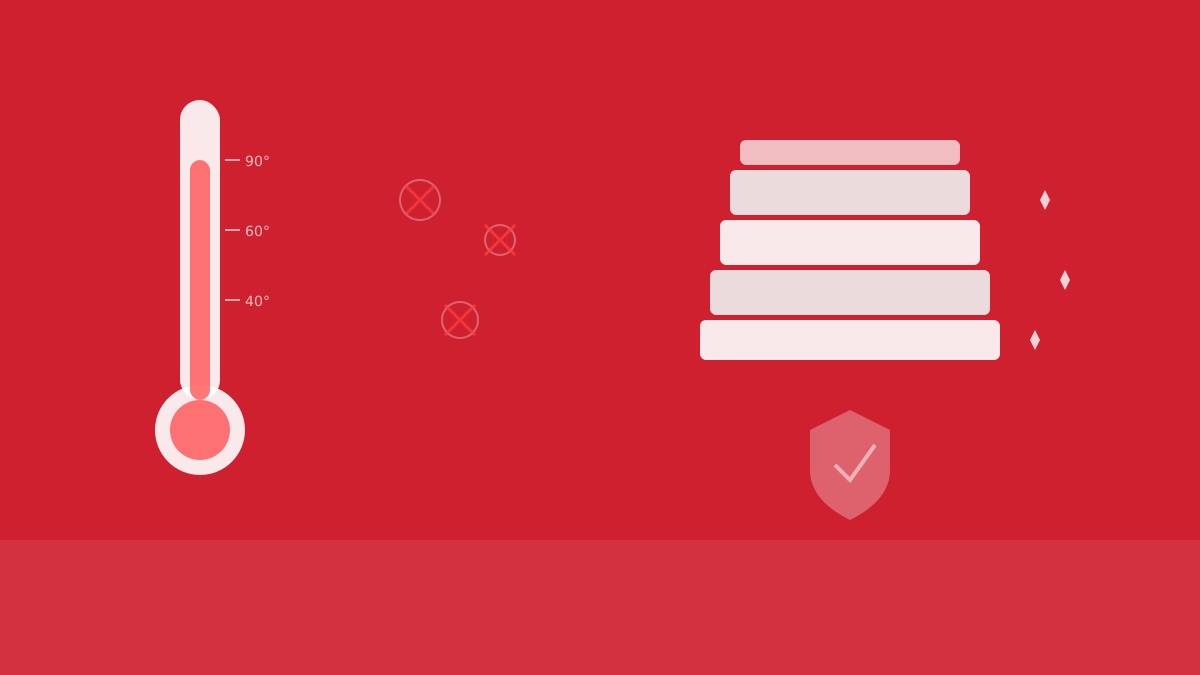
In short: washing laundry does not automatically disinfect it. To kill bacteria, viruses and fungi, you need either temperature (60 °C kills 99.9% of bacteria, 90 °C sterilises), or a textile disinfectant (sodium percarbonate from 40 °C, Sanytol from 20 °C, bleach on white cotton). Situations requiring disinfection: contagious illness, bed bugs, mould, bedwetting, hygiene textiles (towels, tea towels, underwear).
At a glance
60 °C = disinfection -- 30 minutes at this temperature eliminates 99.9% of common bacteria, fungi and enveloped viruses.
90 °C = sterilisation -- destroys all micro-organisms including spores. Reserved for white cotton (sheets, tea towels).
Sodium percarbonate -- disinfects through oxygenation from 40 °C. 2 tbsp in the drum. Colour-safe.
Sanytol textile -- biocide active from 20 °C. Softener tray. Ideal for delicate synthetics.
Dry quickly -- bacteria multiply in moisture. Tumble dryer or airy outdoor drying, never in a ball in the drum.
Cleaning and disinfecting: two different things
A common confusion: many people think that washing laundry automatically disinfects it. It does not.
Cleaning means removing visible dirt — stains, sweat, skin residue, odours. A 30-40 °C wash with detergent accomplishes this. Detergent surfactants lift dirt from fibres, and rinsing flushes it away.
Disinfecting means destroying micro-organisms — bacteria, viruses, fungi, dust mites. This requires either sufficient temperature (60 °C+), a biocide product (percarbonate↗, Sanytol, bleach), or both.
A 30-40 °C wash reduces the bacterial population (bacteria are diluted and partially dislodged by detergent), but it does not kill them. Studies show that after a 30 °C wash, between 10 and 30% of bacteria remain viable on the fabric. For everyday use (t-shirt, jeans, shirt), this is not a problem — your immune system handles it. But in certain situations (illness, infestation, immunosuppression), genuine disinfection is necessary.
Disinfection temperatures
Heat is the simplest and most reliable disinfectant. No chemicals, no dosing — just sufficient temperature for sufficient time.
30-40 °C -- cleaning, no disinfection
Bacteria survive. Detergent dislodges and dilutes micro-organisms but does not kill them. Sufficient for everyday laundry in good health. Not sufficient for illness laundry, sanitary towels, kitchen towels.
60 °C for 30 min -- standard disinfection
Kills 99.9% of common bacteria (E. coli, staphylococci, salmonella), most enveloped viruses (flu, gastro, SARS-CoV-2), fungi (Candida, dermatophytes) and dust mites. This is the benchmark for domestic disinfection.
70 °C -- bed bugs and their eggs
Adult bed bugs die at 56 °C, but their eggs resist up to 48 °C. A 70 °C wash for 30 minutes provides a comfortable safety margin. Dust mites also die at this temperature.
90 °C -- complete sterilisation
Destroys all micro-organisms including the most resistant bacterial spores (Clostridium). Reserved for robust white cotton: sheets, tea towels, face cloths, white towels. Most coloured and synthetic fabrics cannot withstand 90 °C.
Contact time matters as much as temperature
Disinfection is not instant — it requires sufficient contact time between the micro-organism and the lethal temperature. At 60 °C, 30 minutes are needed for complete disinfection. A 15-minute express programme at 60 °C does not disinfect reliably.
This is why the standard cotton programme (long cycle, 1.5-2 h) is preferable to the quick programme for disinfection. The long cycle maintains the target temperature throughout the wash phase. See our detailed guide on washing at 60 °C and washing at 90 °C.
Eco programme: watch the actual temperature
Modern eco programmes reduce water temperature to save energy. A 60 °C eco programme may only heat to 45-50 °C — insufficient for disinfection. For reliable disinfection, select the standard cotton programme (non-eco) which maintains the displayed temperature throughout the wash phase.
Textile disinfectants
When the textile cannot withstand 60 °C (synthetics, delicate colours, elastane), a disinfectant product compensates for the insufficient temperature.
Sodium percarbonate (recommended)
Sodium percarbonate is a white granule that decomposes in water into sodium carbonate (detergent) and hydrogen peroxide (the active disinfectant). The released active oxygen destroys bacteria, fungi and certain viruses by oxidising their cell membranes.
- Activation: percarbonate begins releasing active oxygen from 40 °C. Below that, the action is slow and incomplete.
- Disinfectant dosage: 2 tbsp directly in the drum (not in the detergent tray).
- Compatible: white cotton and colour-fast fabrics. Not recommended for silk, wool or fragile colours.
- Advantage: biodegradable, no toxic residue, no odour.
Sanytol textile disinfectant
Sanytol is a commercial product containing didecyldimethylammonium chloride, a quaternary ammonium biocide. It destroys bacteria, fungi and enveloped viruses.
- Activation: active from 20 °C — this is its main strength over percarbonate.
- Dosage: 1 cap (approximately 60 ml) in the softener tray (acts during the final rinse).
- Compatible: all textiles, all colours.
- Disadvantage: synthetic product, less eco-friendly than percarbonate.
Bleach
Bleach (sodium hypochlorite) is the most powerful disinfectant available at home. It destroys all micro-organisms — bacteria, viruses (enveloped and non-enveloped), fungi, spores.
- Use: white cotton only. Bleach destroys pigments (irreversible discolouration), attacks synthetics and degrades elastane.
- Dosage: 100 ml of 2.6% bleach in the detergent tray. 40-60 °C cycle.
- Precaution: never mix bleach and white vinegar↗ — the mixture produces chlorine gas, toxic for the respiratory system.
White vinegar (mild action)
White vinegar (8-14% acetic acid) has moderate antibacterial action. It does not destroy viruses or spores, but it reduces the population of common bacteria and neutralises odours.
- Dosage: 200 ml in the softener tray (acts during the rinse).
- Use: supplement to a standard wash for everyday textiles. Insufficient alone for genuine disinfection after illness.
When to disinfect your laundry
Disinfection is not needed for every wash. Here are the situations that justify it.
After a contagious illness
Gastroenteritis, flu, covid, throat infection, bronchitis: wash the sheets, bath towels, face cloths, pyjamas and underwear of the sick person at 60 °C minimum. Wash the sick person’s laundry separately from the rest of the family’s. If the laundry cannot withstand 60 °C, add percarbonate (40 °C) or Sanytol (30 °C).
Bed bugs
Bed bugs die at 56 °C and their eggs at 48 °C. Wash all laundry from the infested bedroom at 60 °C minimum — 70 °C if possible for a safety margin. For textiles that cannot withstand 60 °C, a tumble dryer cycle at high temperature (70-80 °C) for 30 minutes is an effective alternative.
Mould on laundry
Mould (green, black or grey spots, musty smell) is a fungus. Sodium percarbonate is particularly effective: it kills the fungus AND bleaches mould stains through oxygenation. Soak mouldy laundry in a percarbonate solution (2 tbsp per litre at 40 °C) for 2 hours, then machine wash at 60 °C. See our guide on mould stains.
Bedwetting
Urine is a breeding ground for bacteria. After a nighttime accident, rinse sheets and pyjamas in cold water to remove the excess, then wash at 60 °C with percarbonate. If the odour persists, add 100 ml of white vinegar to the rinse. See our guide on urine stains.
Mistakes to avoid
- Mixing bleach and vinegar -- the mixture produces chlorine gas, a toxic gas. NEVER use them in the same wash cycle.
- Bleach on colours or synthetics -- irreversible discolouration and fibre degradation. Bleach is reserved for white cotton.
- Eco programme for disinfection -- actual temperature is often lower than displayed. Use the standard cotton programme.
- Leaving wet laundry in the drum -- bacteria multiply in moisture. Remove laundry immediately after the cycle.
- Thinking detergent disinfects -- detergent cleans (removes dirt) but does not disinfect. Surfactants dislodge bacteria but do not kill them.
- Overdosing percarbonate -- excess can leave irritating residue on fabric. Stick to the dosage (2 tbsp per machine).
Disinfection at the laundromat
Professional laundromat machines offer specific advantages for disinfection.
60 °C programme available
All laundromat machines offer a 60 °C programme — which is not always the case with older or compact domestic machines. The laundromat 60 °C programme maintains the actual temperature throughout the cycle, with no automatic reduction.
Higher water volume
Professional machines use 50 to 60 litres of water per cycle, compared to 40-50 litres for a domestic machine. This higher volume ensures more thorough rinsing — disinfectant residue (percarbonate, Sanytol) is better flushed, reducing the risk of skin irritation.
Self-cleaning between cycles
Professional Speed Queen machines run a drum rinse between each cycle. The drum is rinsed with clean water, removing residue from the previous cycle. For more on laundromat hygiene, see our article on the science of laundromat hygiene.
Immunosuppression and laundry
If a family member is immunosuppressed (chemotherapy, immunosuppressant treatment, HIV), laundry disinfection is not optional — it is medically recommended. Wash all laundry in contact with the person at 60 °C minimum. Tumble dry (additional heat). Consult the treating doctor for specific recommendations.
Recommended disinfection frequency
There is no need to disinfect every wash — systematic disinfection wears textiles (high temperatures degrade fibres faster) and uses more energy. Reserve disinfection for situations that justify it:
- Kitchen towels: 60 °C every week (regular wash)
- Bath towels: 60 °C every 3 uses
- Sheets: 60 °C every 2 weeks
- Underwear: 60 °C if possible, otherwise 40 °C + percarbonate
- Illness laundry: 60 °C every wash during the illness + 1 week after
- Bed bugs: 60-70 °C for all bedroom laundry, once after treatment
- Mould: percarbonate soak + 60 °C, then investigate the cause (humidity, ventilation)
For everyday laundry (t-shirts, jeans, shirts, jumpers), a 30-40 °C wash is sufficient if the person is healthy. See our guide to washing machine programmes for choosing the right cycle.
As an Amazon Partner, we earn a small commission on purchases made via the affiliate links in this article — at no extra cost to you. This helps us maintain this site and produce free guides.
Disinfecting laundry after an illness or infestation requires a reliable 60 °C programme and thorough rinsing. Our laundromats in Blagnac, Croix-Daurade and Montaudran offer 60 °C programmes with a higher water volume (50-60 litres) for optimal rinsing. Payment CB sans contact ou espèces. Check our prices.
Sources and references
- Washing at 60 °C: which clothes?
- Washing at 90 °C: when to use?
- Sodium percarbonate: usage guide
- Bed bugs and laundromat laundry
- Dust mite allergy and washing
- Removing mould stains
- White vinegar and laundry: uses and limits
- Laundromat hygiene: what the science says
- Applied and Environmental Microbiology — Survival of pathogenic bacteria on textiles after domestic washing at various temperatures
- WHO — Laundry washing recommendations in infectious contexts